Signs a Child Needs Extra Support Before IGCSE
The clearest signs a child may need extra academic support before IGCSE are practical and observable — a noticeable, sustained drop in grades, consistent avoidance of a specific subject’s homework, or feedback from teachers flagging the same weak topics repeatedly across terms. One difficult test or a single bad week isn’t a reliable signal on its own; it’s a sustained pattern across several weeks or terms that’s worth paying attention to.
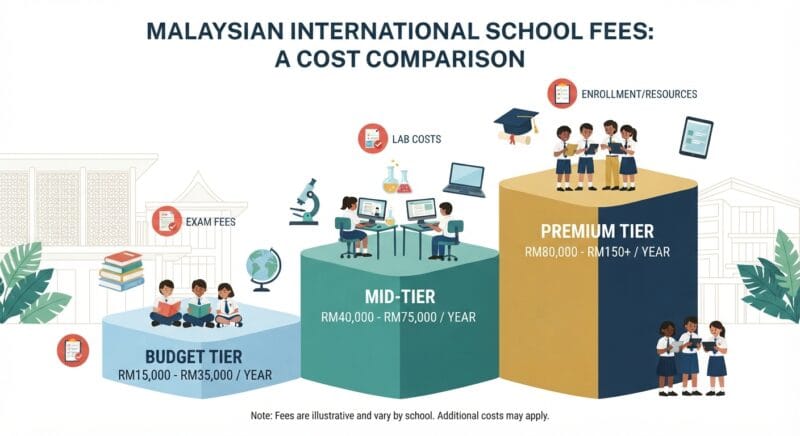
For Malaysian families on the Cambridge pathway, catching this early — ideally during Lower Secondary rather than waiting until IGCSE itself — leaves far more time to address it, and more room to factor into decisions like what IGCSE tuition actually costs if a school change is being considered. Aura Tycoon’s wider guidance for parents covers more of these Cambridge-pathway questions too.
What Academic Patterns Are Worth Watching For?
A few concrete, observable patterns tend to matter more than a single bad result:
- A sustained grade decline across two or more terms, rather than a one-off dip
- The same topics flagged repeatedly in feedback or test corrections, term after term
- Avoidance behaviour — consistently delaying or skipping homework in one specific subject
- Rushed, minimal answers on written work, suggesting disengagement rather than difficulty
- A mismatch between effort and outcome — genuine, visible effort that still isn’t translating into improved results
Why Does Catching This Early Matter So Much for the Cambridge Pathway?
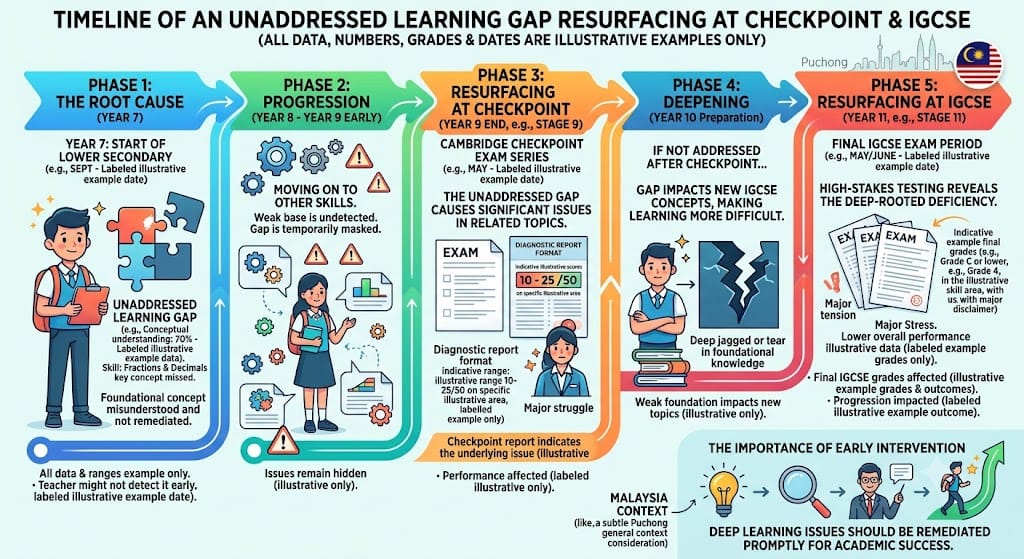
Cambridge’s own curriculum builds cumulatively — content from Year 7 can resurface at Checkpoint in Year 9, and again at IGCSE. Cambridge’s Lower Secondary Checkpoint tests are specifically designed to surface this kind of topic-level feedback early, according to Cambridge International’s own guidance on the Checkpoint programme, precisely because gaps left unaddressed in Lower Secondary tend to compound by the time IGCSE arrives.
What Should a Parent Do After Noticing These Signs?
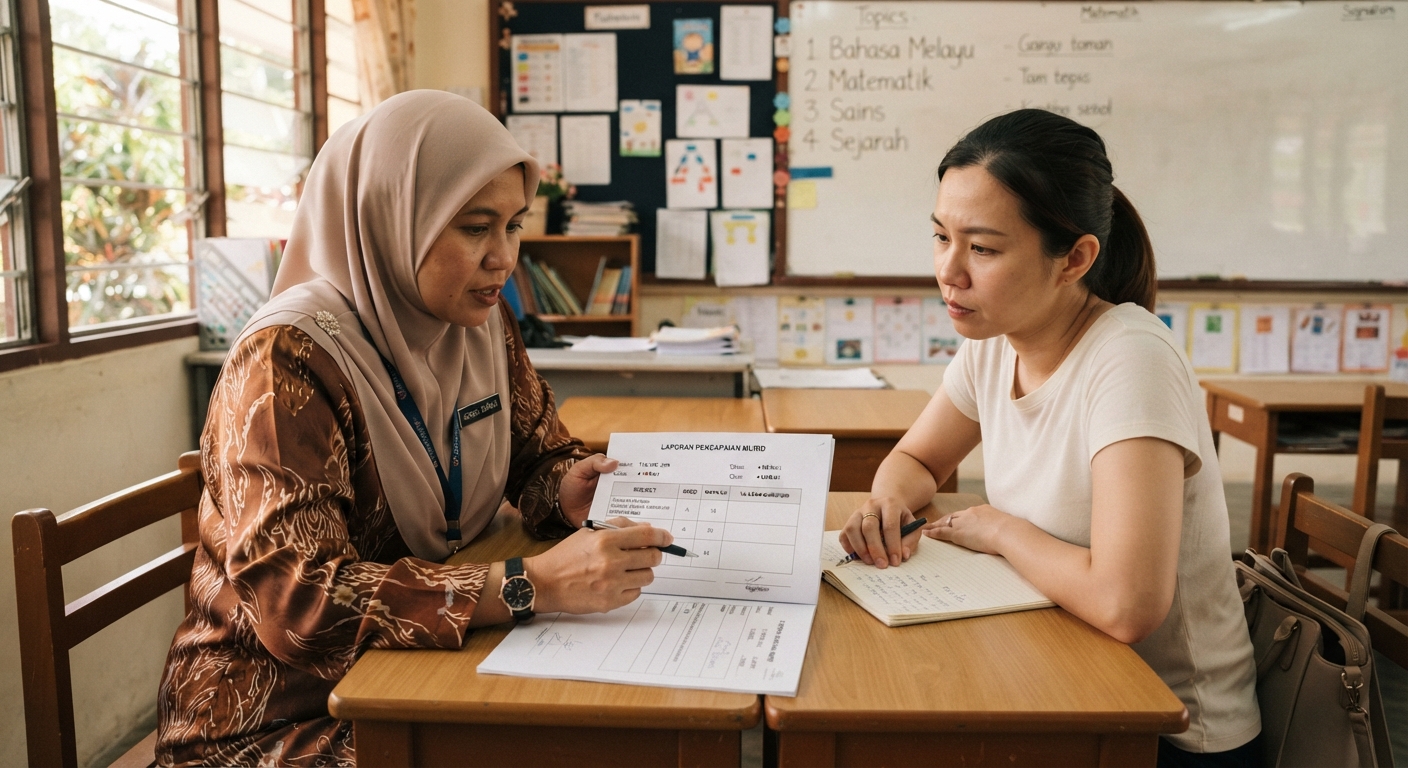
Start with a direct, specific conversation — with the child first, and with the subject teacher soon after — rather than assuming the cause or jumping straight to tuition. Teachers often have useful context a parent doesn’t see day to day, and a specific, topic-level picture (rather than a vague “struggling with Science”) makes any next step, whether it’s extra practice, tutoring, or simply more structured revision time, far more targeted.
When Might Something Beyond Academic Support Be Worth Discussing?
If academic struggles are accompanied by broader changes — persistent low mood, withdrawal from activities they used to enjoy, or signs of significant stress — that’s worth a separate, direct conversation with the school counsellor or a healthcare professional, since these patterns can sit alongside or independently of academic difficulty. Academic support alone isn’t the right response if wellbeing more broadly seems to be the underlying concern.
Free practice tool
Aura Tycoon is a completely free, ad-free learning platform for Cambridge-track students, with chapter videos, quizzes, flashcards, and practice questions built into every topic. It logs every wrong answer by topic for free across Year 7 Biology, Chemistry and Physics, turning a fuzzy worry into a concrete, actionable list.
Start Practicing FreeFrequently Asked Questions About Signs a Child Needs Extra Support
Is one bad test result a sign my child needs extra support?
Not on its own — a single difficult test is normal and expected. A sustained pattern across several weeks or terms is a far more reliable signal than any one result.
How can a parent tell the difference between normal struggle and a genuine gap?
Normal struggle tends to resolve with a bit of extra practice and doesn't repeat across multiple terms; a genuine gap tends to persist despite visible effort and keeps resurfacing on the same specific topics. Teacher feedback over time is one of the most reliable ways to tell the difference.
Should a parent talk to the teacher or the child first?
Either order can work, but talking to the child first, without judgment, often surfaces useful context before approaching the teacher. Combining both perspectives generally gives the clearest picture.
Does struggling in one subject mean a child is struggling generally?
Not necessarily — subject-specific struggle is common and doesn't automatically indicate a broader issue. Watching whether the pattern is isolated to one subject or spreading across several is a useful distinction.
Is tutoring always the right response to these signs?
Not automatically — sometimes a more structured revision routine or targeted practice on specific weak topics resolves the issue without paid tutoring. Understanding exactly which topics are weak, rather than guessing, helps decide what kind of support actually helps.
Can Cambridge Checkpoint help identify these signs formally?
Yes, Checkpoint's topic-level feedback report is specifically designed to surface exactly this kind of pattern, though it's only available at the end of Year 9 for school-registered students. Earlier and more frequent tracking can catch similar patterns before Checkpoint arrives.
When should a parent involve the school beyond the subject teacher?
If a subject teacher conversation doesn't lead to a clear plan, or if the pattern spans multiple subjects, raising it with a Head of Year or academic coordinator is a reasonable next step. Schools generally have more structured support processes available than a single teacher can offer alone.
Are these signs different for Malaysian Cambridge-curriculum students specifically?
The underlying patterns are universal, but the stakes can feel different given the Cambridge pathway's cumulative structure, where early gaps can resurface at Checkpoint and IGCSE years later. This is part of why earlier attention tends to pay off more within this specific system.