IGCSE Basics
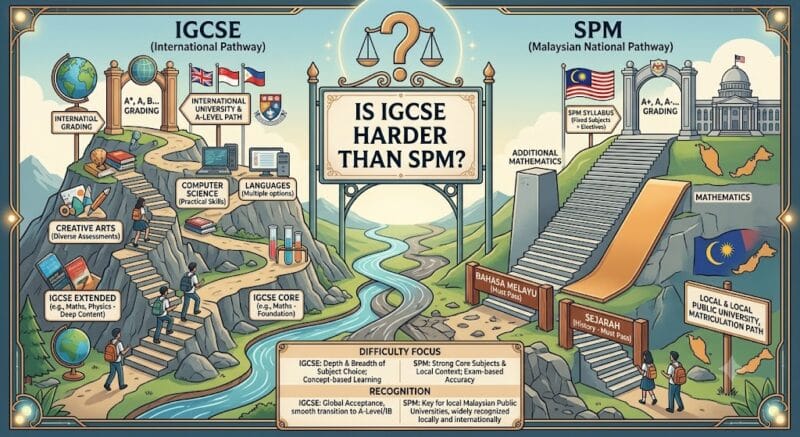
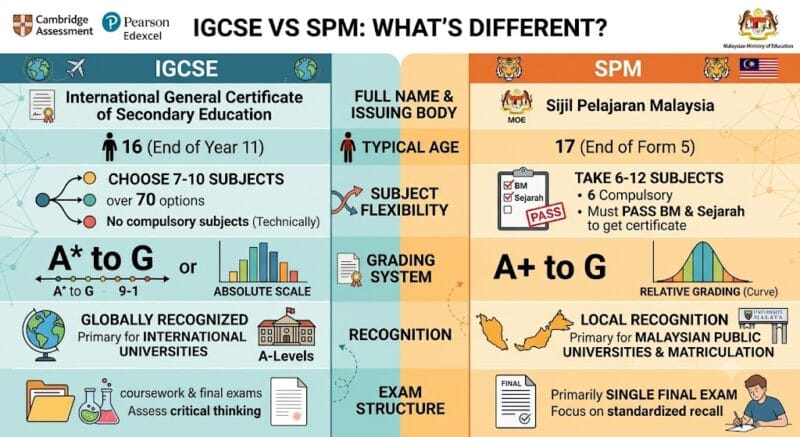
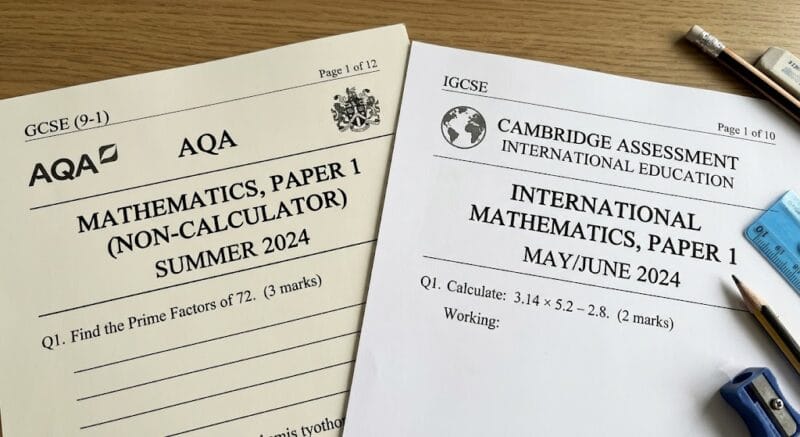
The IGCSE Basics guides answer the questions Malaysian parents actually ask when a school first mentions Cambridge IGCSE: what it is, how it differs from SPM and UK GCSE, how the 9-1 grading scale works, and how many subjects a child typically sits. They are written for parents encountering the Cambridge pathway for the first time, not for those already deep into exam-board comparisons.
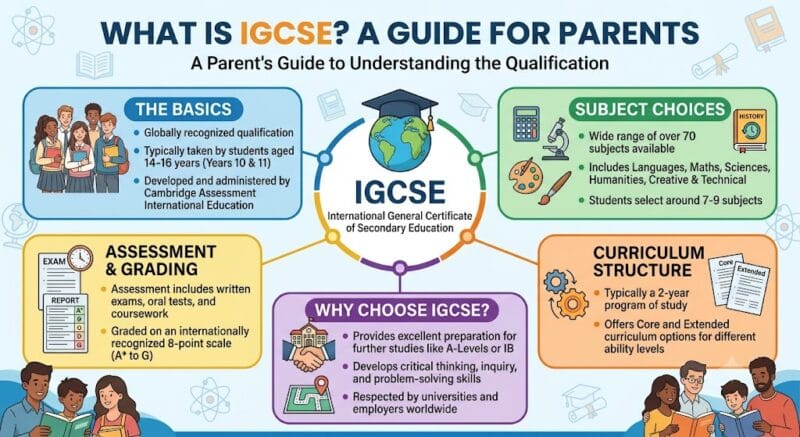
Cambridge IGCSE is a two-year, subject-by-subject qualification sat at the end of Year 11, and it runs on an entirely separate syllabus and exam calendar from the Malaysian national system. Where these guides can, they cite Cambridge International’s own IGCSE page directly, rather than a tuition centre’s summary of it.
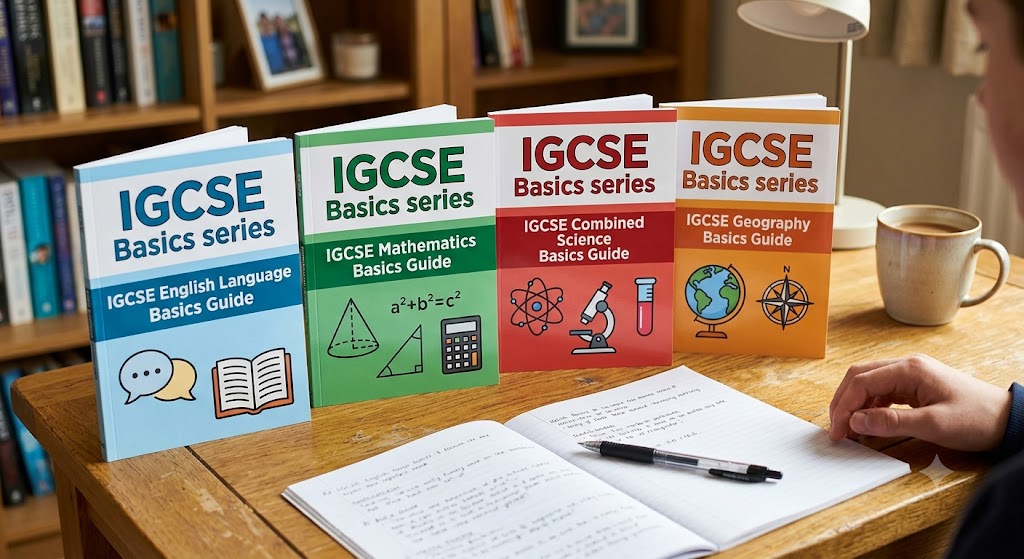
Guides in the IGCSE Basics series
8 guides in this series, each covering one question in depth:
Frequently Asked Questions About IGCSE Basics
Is Cambridge IGCSE recognised in Malaysia?
Yes. Cambridge IGCSE is widely accepted by Malaysian private and international schools and by universities both locally and abroad, though it is a separate qualification from SPM rather than a substitute recognised by the Malaysian public school system.
What grading scale does IGCSE use?
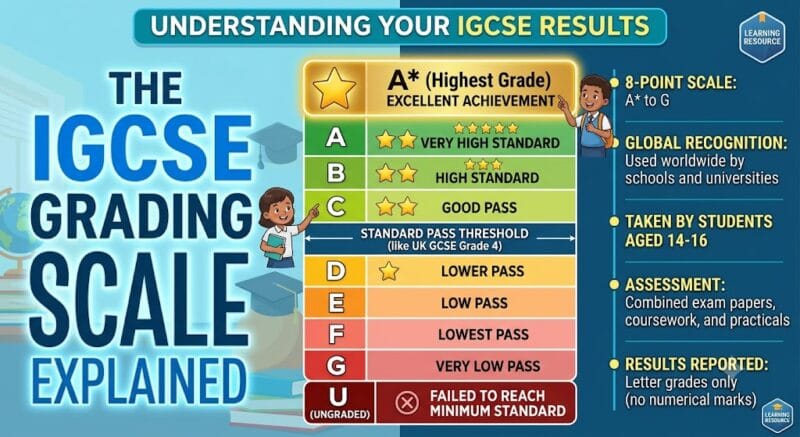
Most current Cambridge IGCSE syllabuses are graded 9-1, with 9 the highest, replacing the older A*-G scale that some subjects and exam series still use. Which scale applies depends on the specific syllabus and exam series a student is entered for.
How many IGCSE subjects does a student typically take?
Most students sit around seven to nine subjects across the two-year IGCSE programme, though the exact number depends on the school and the student’s intended subject combination.
Written by Aura Tycoon — a free, independent revision platform built around Cambridge’s own Lower Secondary framework. Not affiliated with Cambridge or Pearson Edexcel.
Once the pathway makes sense, Year 7 students can start building the foundation IGCSE will test: