How to Use Past Papers Properly
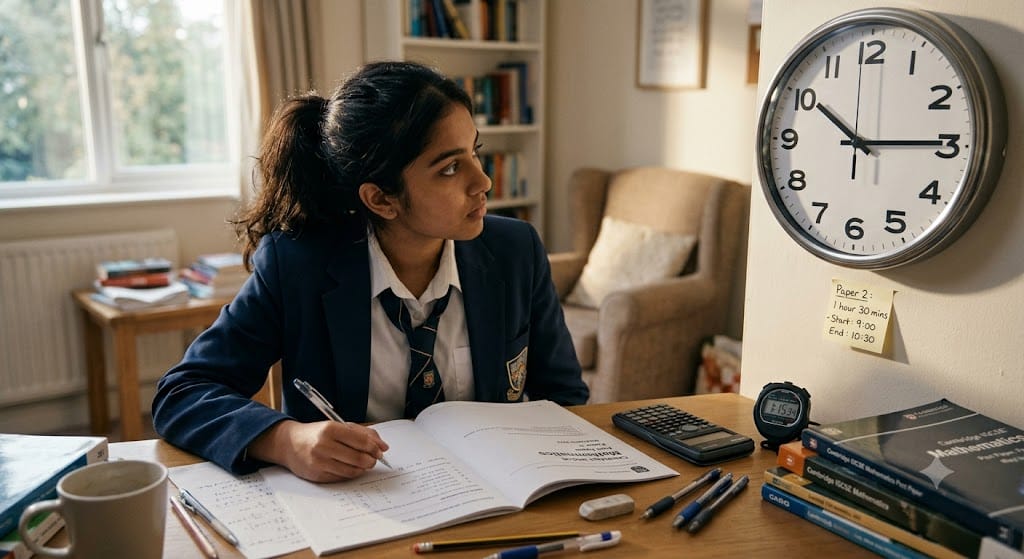
The single most effective way to use a past paper is to attempt it closed-book under timed conditions first, then mark it honestly against the mark scheme — not to read through it with the answers already visible. A past paper is a self-test, and almost all its value comes from the retrieval and the feedback, not from reading it like a set of notes.
For Cambridge and IGCSE-track students in Malaysia, past papers are among the most realistic preparation available, because they use the same standard and command words as the real exam. Used well, they also show you exactly what to revise next — pair them with a Weakness Log that keeps every wrong answer until it’s mastered and the pattern of weak topics becomes obvious.
Why Are Past Papers So Effective?
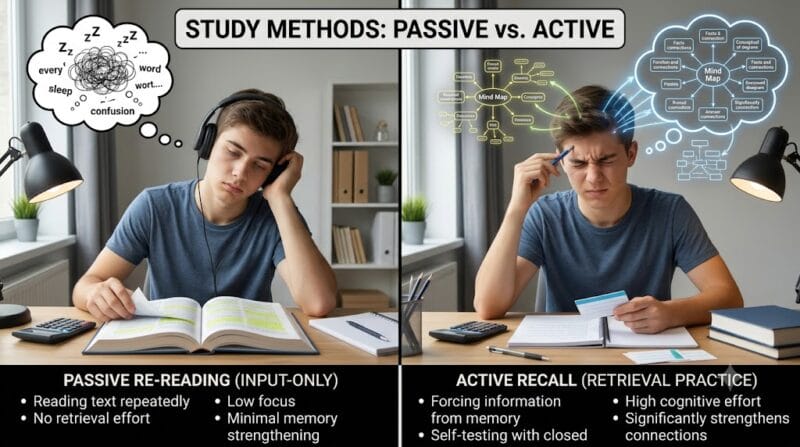
Past papers work because they combine the two things that build memory best — retrieving answers from memory and getting immediate feedback on what was wrong. That pairing is exactly what research on practice testing identifies as one of the most reliable ways to improve retention, including in studies with school-age children on the benefits of retrieval practice. Reading a past paper with the answers open removes the retrieval, and with it most of the benefit.
How Should You Work Through a Past Paper?
Work through it in a fixed order that protects the self-test:
- Attempt it closed-book and timed, matching the real paper’s duration.
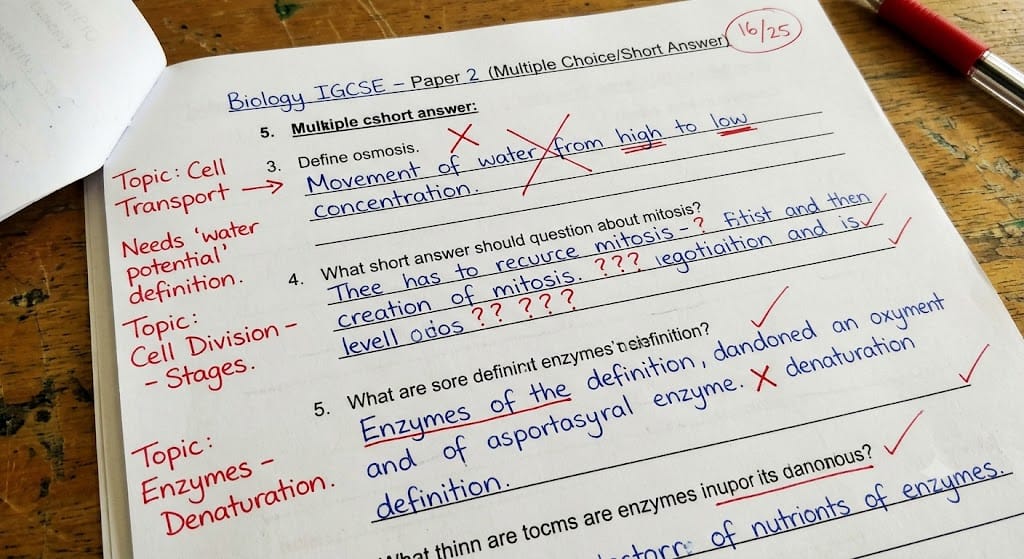
- Mark it against the official scheme, strictly — award only what the scheme awards.
- Log every wrong answer by topic, not just the total score.
- Redo the missed questions after a few days, from memory, to check the gap has closed.
- Only then read examiner reports to understand common mistakes.
What Mistakes Do Students Make With Past Papers?
The most common errors quietly remove the benefit:
- Reading them with the answers open — this turns a self-test into passive review.
- Doing them too early and passively — before enough content is learned to attempt honestly.
- Marking generously — awarding marks the scheme wouldn’t.
- Ignoring command words — “state,” “explain,” and “describe” expect different answers.
- Not logging errors — so the same weak topics resurface unnoticed.
How Do Past Papers Fit Into Revising IGCSE Science?
Past papers are the backbone of Science revision, but they work best alongside targeted topic study rather than on their own. Once a paper shows which strands are weak, go back and revise those specifically before attempting the next one. For the fuller routine, see a complete approach to revising IGCSE Science.
Free practice tool
Aura Tycoon is a completely free, ad-free learning platform for Cambridge-track students, with chapter videos, quizzes, flashcards, and practice questions built into every topic. It records each wrong answer by topic as students practise Year 7 Biology, Chemistry and Physics for free — so the next paper targets real gaps.
Start Practicing FreeFrequently Asked Questions About Using Past Papers
Where can I get Cambridge past papers in Malaysia?
Schools running the Cambridge curriculum usually provide past papers to their students, and many are available through official and school channels. Students should check with their teacher or centre for the versions matched to their current syllabus.
Should I do past papers open-book or closed-book?
Closed-book, under timed conditions, for the main attempt — that is what makes a past paper a genuine self-test. You can review with the scheme open afterwards, but the first attempt should be unaided.
How early should I start doing past papers?
Start once you have covered enough content to attempt a paper honestly, then increase frequency as the exam approaches. Doing full papers too early, before the content is learned, tends to be discouraging rather than useful.
How many past papers should I do before an exam?
There is no fixed number, but doing several under timed conditions and thoroughly reviewing each is more valuable than rushing through many. Quality of marking and follow-up matters more than volume.
Why is marking against the scheme so important?
Because the mark scheme shows exactly what earns marks, including the specific wording and command-word responses examiners expect. Marking generously hides gaps that the real exam will penalise.
Do past papers help with Cambridge Checkpoint?
Yes, timed practice papers are especially useful for Checkpoint, and are the main option for students who can't sit Checkpoint as private candidates. They build familiarity with the format and reveal weak strands early.
What are command words and why do they matter?
Command words like "state," "describe," "explain" and "calculate" tell you what kind of answer earns marks. Misreading them is a common way to lose marks despite understanding the content.
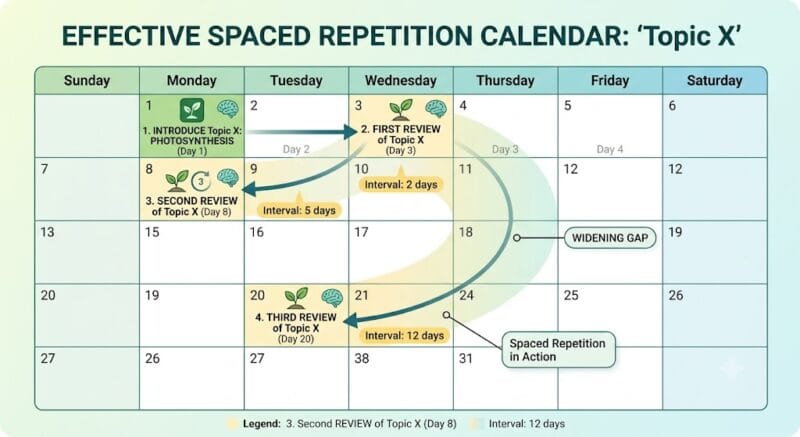
Should I redo past papers I've already done?
Yes, redoing a paper after a gap is a useful spaced retrieval check, as long as you attempt it from memory rather than recalling your previous answers. If you can now answer previously missed questions, the gap has genuinely closed.