What Is Combined Science at IGCSE?
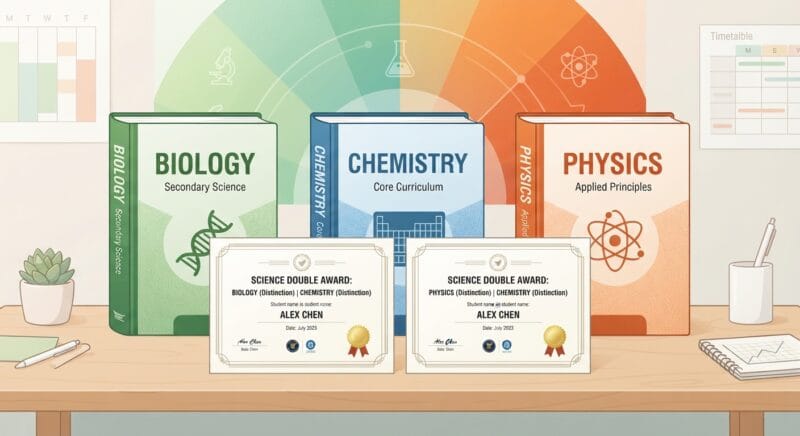
Combined Science at IGCSE is a single-award qualification covering Biology, Chemistry and Physics together, resulting in one overall grade rather than three separate ones. It gives students a broad foundation across all three sciences, with reduced depth compared to studying each as a Separate Science, making it a common choice for students who want solid science coverage without the full three-subject workload.
For Malaysian families weighing Science options, it helps to see Combined Science alongside its close relative, Co-ordinated Science, since the two are easily confused despite being genuinely different qualifications. Aura Tycoon’s Chemistry practice is also free to browse for a sense of one strand in practice.
How Is Combined Science Structured?
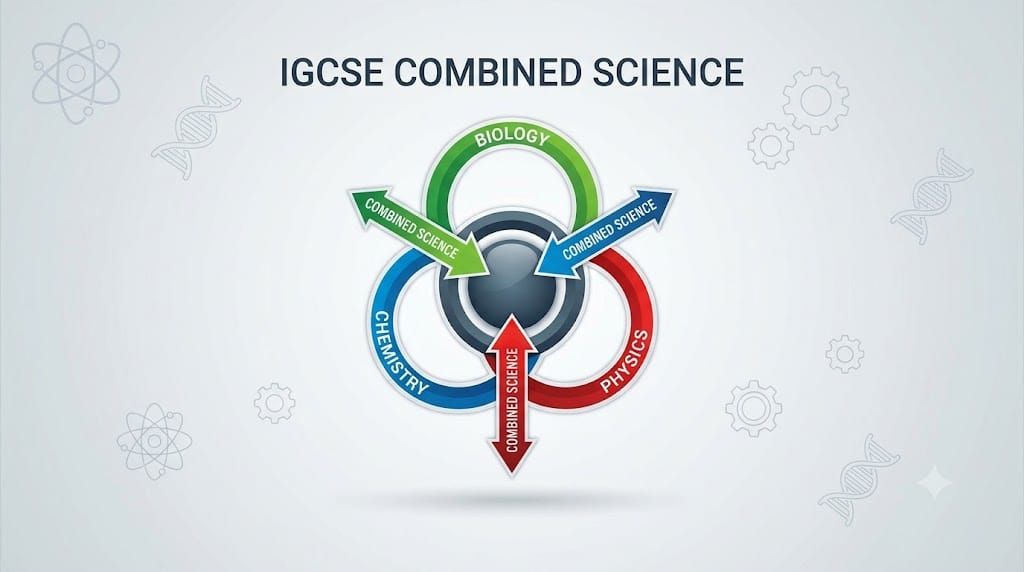
Cambridge IGCSE Combined Science (syllabus code 0653) is a single award qualification, earning one overall grade, and gives learners the opportunity to study Biology, Chemistry and Physics, each covered in separate syllabus sections, according to Cambridge International’s own guidance. Students typically sit two papers per subject area, and both Core and Extended tiers are available.
How Does Combined Science Differ From Separate Sciences?
Combined Science covers each of the three sciences in less depth than studying Biology, Chemistry and Physics as Separate Sciences, since the overall content and time allocation is spread across all three within one qualification’s worth of study time. Students receive one grade reflecting overall performance, rather than three individual subject grades.
Who Is Combined Science Best Suited For?
Combined Science suits students who want a solid, broad scientific foundation without committing to the workload of three full Science subjects — often those planning to focus on non-Science A Levels, or who need to manage a demanding overall subject load. It remains a genuinely rigorous qualification, just narrower in depth than the separate or double-award alternatives.

Does Combined Science Limit Future Science Study?
It can, particularly for students later wanting to take Separate Science A Levels, since Combined Science’s reduced depth may leave content gaps compared to peers who studied the full separate syllabuses. It doesn’t rule out further Science study entirely, but students with strong Science ambitions are generally better served by Co-ordinated or Separate Sciences if workload allows.
Free practice tool
Aura Tycoon is a free learning platform for Cambridge-track students — each chapter combines teaching videos, quizzes, and flashcards with practice questions, all with no ads and no cost. It builds the Year 7 foundation across Biology, Chemistry and Physics individually, for free, with every wrong answer logged by topic.
Start Practicing FreeFrequently Asked Questions About Combined Science IGCSE
Is Combined Science one exam or three?
It's treated as one qualification with one overall grade, though it's assessed through multiple papers covering Biology, Chemistry and Physics content. Students don't receive three separate subject grades under Combined Science.
Is Combined Science easier than Separate Sciences?
It covers less depth per subject, which can make it feel more manageable in terms of total content, but it isn't necessarily "easier" in difficulty of individual questions. The main difference is breadth of workload, not question difficulty.
Can a student switch from Combined Science to Separate Sciences later?
This is possible but often requires catching up on content not covered in Combined Science's reduced syllabus. Raising this with the school as early as possible gives the most flexibility.
Does Combined Science count as one IGCSE or three?
Combined Science counts as a single IGCSE qualification, unlike Co-ordinated Science, which counts as two, or Separate Sciences, which counts as three individual IGCSEs. This distinction matters for total subject counts.
Is Combined Science available at both Core and Extended tiers?
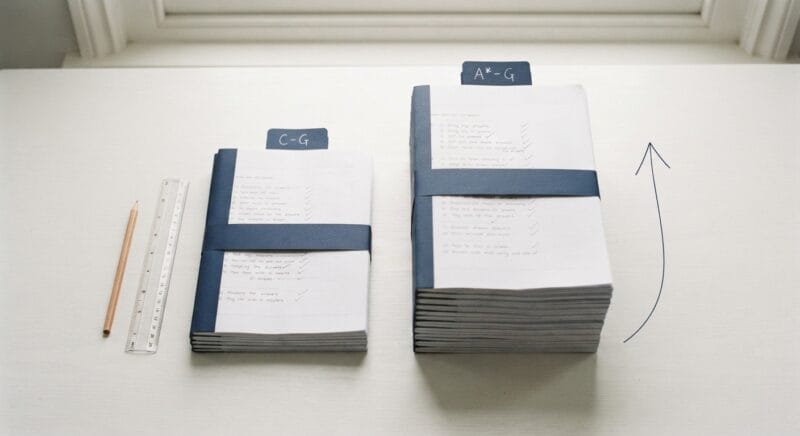
Yes, like the separate sciences, Combined Science offers both Core and Extended tiers, with the same grade ceiling rules applying — Core caps at grade C, Extended allows the full A* to E range.
Do universities accept Combined Science for Science-related degrees?
Many universities accept Combined Science, especially when paired with strong A Level results, though some highly competitive Science-heavy courses may prefer or expect Separate Sciences. Checking specific programme requirements is the safest approach.
How many papers does Combined Science typically involve?
Students generally sit two papers per subject area (Biology, Chemistry, Physics) within the single Combined Science qualification, similar in structure to the separate subjects but contributing to one overall grade. Exact paper structure can vary by exam session.
Is Combined Science a good choice for a student still undecided about future Science study?
It's a reasonable choice if workload is a genuine concern, though Co-ordinated Science offers a bit more breadth while still being lighter than three Separate Sciences. The right choice depends on how much flexibility the student wants to preserve.