How to Prepare for Checkpoint Science in Year 9
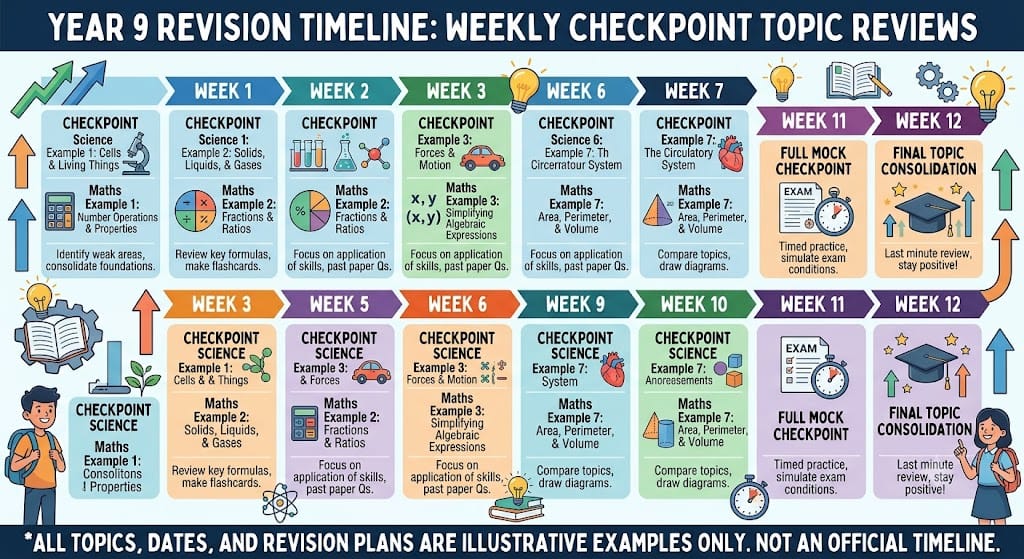
The single most effective step is covering the full three-year Year 7 to 9 content spread during revision, not just the current term’s chapter, since Checkpoint tests accumulated knowledge rather than only recent material. A topic understood shakily back in Year 7 can resurface in the Year 9 Checkpoint paper, so revision needs to reach back across the whole Lower Secondary programme.
For Malaysian Year 9 students, this is often the first time revision needs to span several years of content at once, rather than a single term. Since Checkpoint Science covers Biology, Chemistry and Physics as one unified subject rather than three separate ones, revision needs to reach evenly across all three strands — and practising the underlying Biology content directly is one concrete way to start closing gaps early.

Why Does Checkpoint Preparation Need to Cover Three Years?
Checkpoint tests accumulated knowledge across the entire Lower Secondary programme, not just what was taught most recently, so revision limited to Year 9 content alone leaves genuine gaps. Retrieving older material from memory — rather than simply reading it again — is what keeps it accessible under exam conditions, a pattern backed by research on retrieval practice with school-age children. Testing yourself on a Year 7 topic works the same memory muscle as testing yourself on something learned last week.
What Should a Checkpoint Science Revision Plan Actually Include?
A few things consistently help:
- Practise past papers under timed conditions to get used to the one-hour paper format
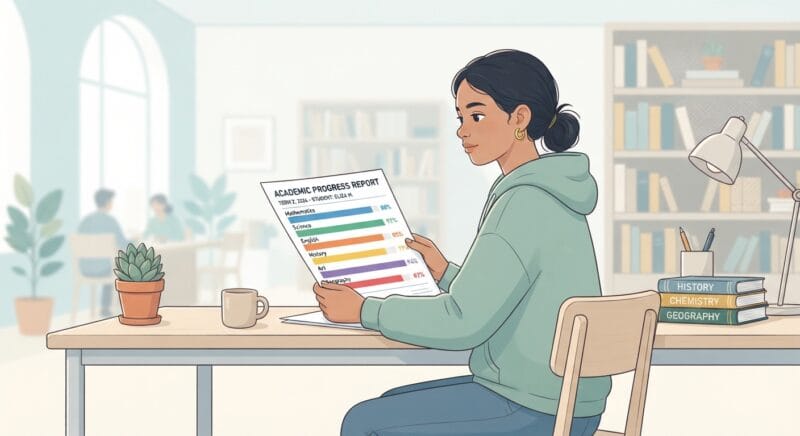
- Track wrong answers by topic, not just by overall score, since the Checkpoint report itself is strand-based
- Revisit corrected mistakes rather than moving on the moment a question is answered correctly once — shaky Year 7 understanding can resurface at Year 9
- Cover Biology, Chemistry and Physics strands evenly, since a single unified Science score can still hide a genuinely weak strand underneath a decent overall result
How Should Revision Be Paced Across Year 9?
Spreading revision across the year, rather than concentrating it in the final weeks before the sitting, gives weaker topics more chances to be revisited and actually fixed. Starting with a broad review of Year 7 and Year 8 content early in the year, then narrowing toward more focused practice as the sitting approaches, tends to work better than leaving everything until the last month.
What Should Happen After Checkpoint Results Come Back?
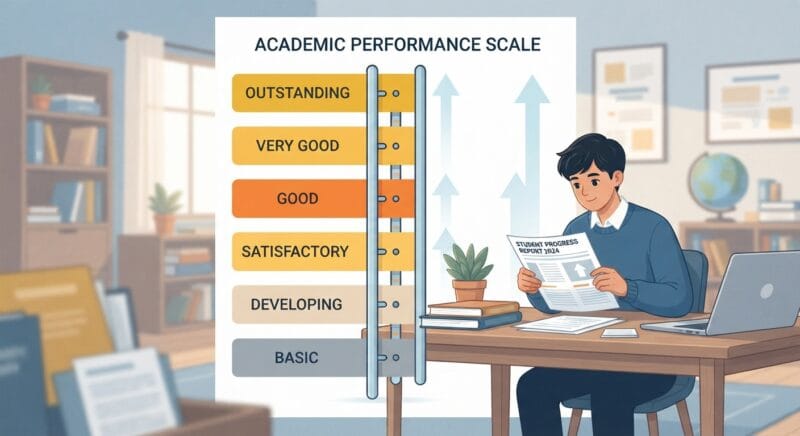
The results themselves become a useful planning tool for the two years leading into IGCSE — strand-level weaknesses flagged at Checkpoint are worth carrying directly into early IGCSE revision, rather than treated as closed once the test is over, particularly when it comes time to choose IGCSE subjects.
Free practice tool
Aura Tycoon is a free, ad-free learning platform for Cambridge-track students, pairing short chapter videos, quizzes, and flashcards with practice questions and quick games. It makes the three-year coverage problem easier — free Year 7 Biology, Chemistry and Physics practice with every wrong answer logged by topic, so nothing from Year 7 gets forgotten by the time Year 9 arrives.
Start Practicing FreeFrequently Asked Questions About Checkpoint Science Preparation
When should Checkpoint Science revision start?
Ideally at the start of Year 9, or even earlier, rather than in the final weeks before the sitting. Since Checkpoint tests three years of accumulated content, an early start gives weak topics enough time to be properly revisited.
Is Checkpoint Science harder than regular school Science tests?
Not necessarily harder in content, but the accumulated scope catches many students off guard, since it isn't limited to recent material. The main challenge is usually breadth of coverage rather than depth of any single topic.
Should Biology, Chemistry and Physics be revised equally for Checkpoint?
Generally yes, since the single Science score is made up of strand-level performance across all three, and a weak strand can pull down an otherwise solid overall result. Uneven revision often shows up clearly in the strand-level breakdown.
How many past papers should a student attempt before Checkpoint?
There's no fixed number, but attempting several timed past papers across the months before the sitting, with proper review of mistakes afterward, tends to be more valuable than doing many rushed attempts close to the exam. Quality of review matters as much as quantity of papers.
Does Checkpoint Science include practical or lab-based questions?
Checkpoint Science tests understanding through written papers rather than hands-on practical assessment, though questions may still ask about experimental methods and scientific working. Practical skills are usually assessed separately through regular schoolwork.
What if a student has gaps from Year 7 they can't remember covering?
This is common and worth addressing directly rather than skipping — going back to Year 7 topic lists and testing recall honestly will reveal exactly where the gaps are. A weak Year 7 topic is just as testable at Checkpoint as a Year 9 one.
Can tuition help with Checkpoint Science preparation?
Tuition can help, particularly for students needing structured accountability or targeted help with specific weak strands, though it isn't essential for every student. Self-directed revision using past papers and topic tracking can be equally effective for a motivated student.
Is it worth revising Global Perspectives for Checkpoint too?
Global Perspectives is assessed differently, through coursework rather than a written Checkpoint-style exam, so it doesn't need the same kind of revision as English, Mathematics or Science. Preparation for it usually happens through ongoing coursework support rather than exam-style revision.