Cambridge Lower Secondary Checkpoint
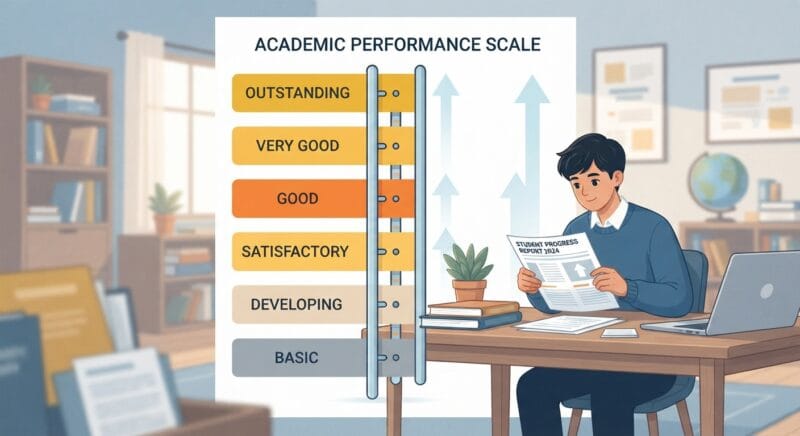
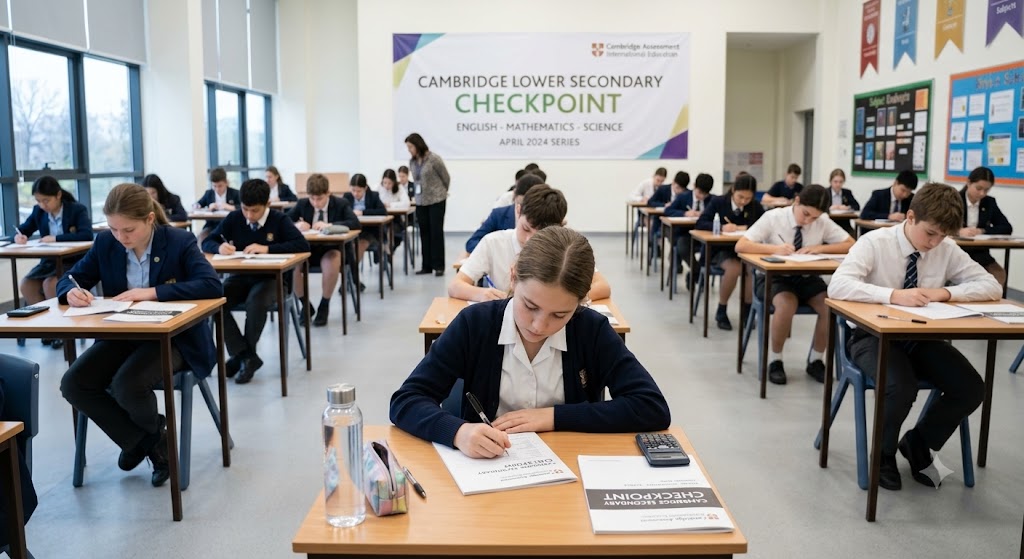
The Checkpoint guides cover the Year 9 diagnostic tests that benchmark a student’s English, Mathematics, and Science before they begin IGCSE — what the 0-50 score actually means, whether it’s compulsory, and how to prepare without treating it like a pass/fail exam. They are written for parents and students on the Cambridge Lower Secondary pathway (Years 7-9).
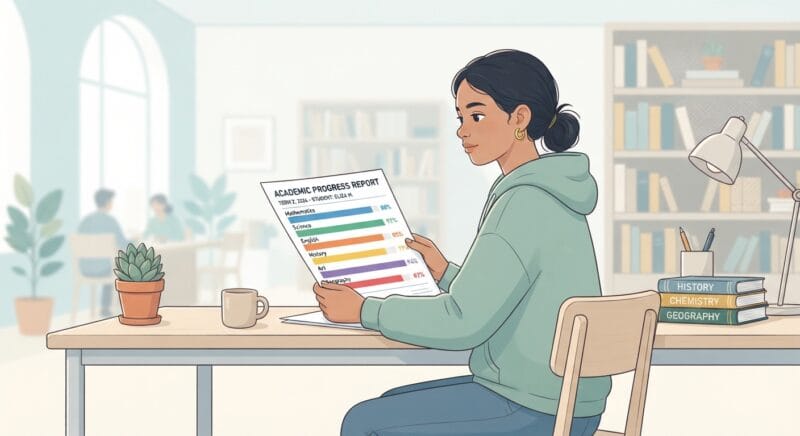
Checkpoint is diagnostic, not qualifying: the report exists to show which topics a student has mastered and which still need work, marked to the same standard used by Cambridge schools worldwide. According to Cambridge International’s own Checkpoint guidance, that detailed feedback is the actual point of sitting it.
Guides in the Checkpoint series
6 guides in this series, each covering one question in depth:
Frequently Asked Questions About Checkpoint
What age do students sit Cambridge Checkpoint?
Typically at the end of Year 9, around age 14, marking the close of the three-year Cambridge Lower Secondary programme before IGCSE begins.
Does a low Checkpoint score affect IGCSE?
No, Checkpoint results don't feed into IGCSE grades directly. They're a diagnostic signal for where to focus revision, with two full years remaining before IGCSE to close any gaps.
Can homeschooled students in Malaysia sit Checkpoint?
No, Cambridge restricts Checkpoint to students within a registered school teaching group, so independent homeschoolers on the Cambridge pathway typically use timed mock papers instead.
Written by Aura Tycoon — a free, independent revision platform built around Cambridge’s own Lower Secondary framework. Not affiliated with Cambridge or Pearson Edexcel.
Students building toward Checkpoint can start logging their weak topics well before Year 9: