How to Choose an IGCSE Science Combination
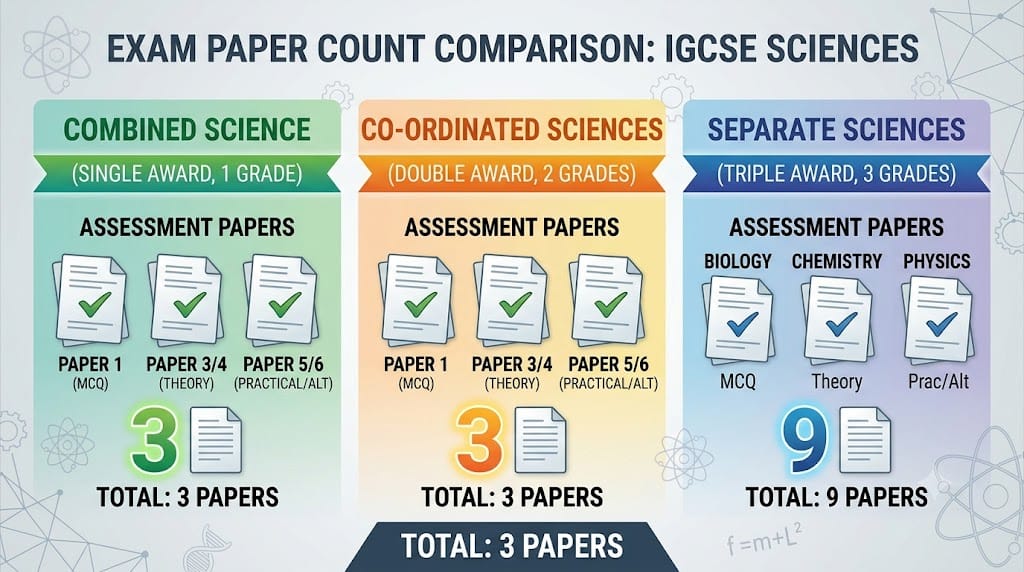
Choosing an IGCSE Science combination comes down to three main options — Combined Science (one grade), Co-ordinated Science (two grades, broader coverage), or Separate Sciences (three individual grades in Biology, Chemistry and Physics) — and the right choice depends mainly on whether a student plans to continue Science subjects at A Level. Students aiming to keep all science-related university pathways open are generally better served by Separate Sciences, while those with other academic priorities may find Combined or Co-ordinated Science a lighter, still-solid option.
For Malaysian families navigating this choice, it helps to first understand what Combined Science actually covers before comparing it against the other options. For a sense of what one strand looks like in practice, Aura Tycoon’s Biology practice is free to browse.

What Are the Three Main Science Options?
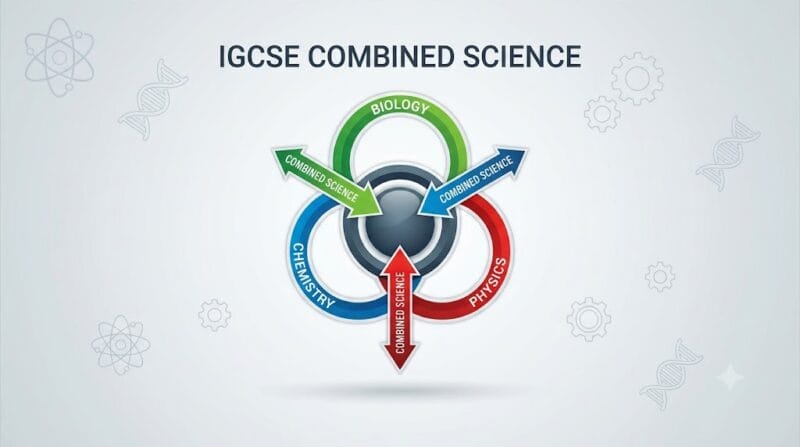
- Combined Science — a single award, one overall grade, covering Biology, Chemistry and Physics in reduced depth
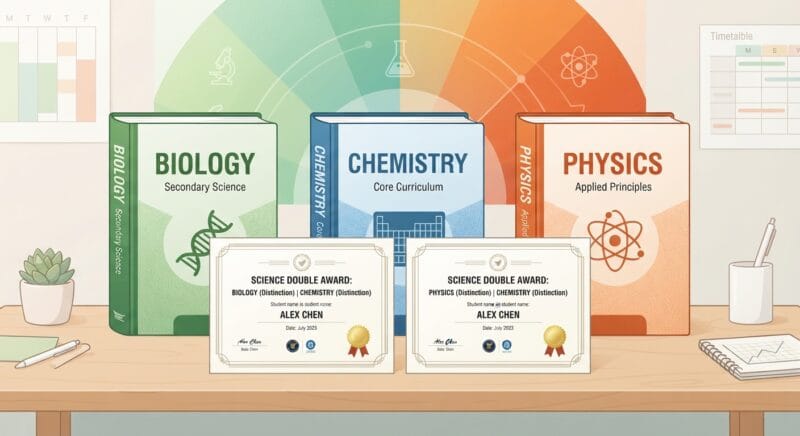
- Co-ordinated Science (Double Award) — a double award, two grades, covering all three sciences in a broader, cross-referenced syllabus
- Separate Sciences — three individual IGCSE qualifications (Biology, Chemistry, Physics), each with its own grade and full depth of content
According to Cambridge International’s own guidance, Combined Science is a single award while Co-ordinated Science is a double award — a distinction worth understanding clearly, since the two are sometimes confused with each other informally.
What Should Drive the Decision?
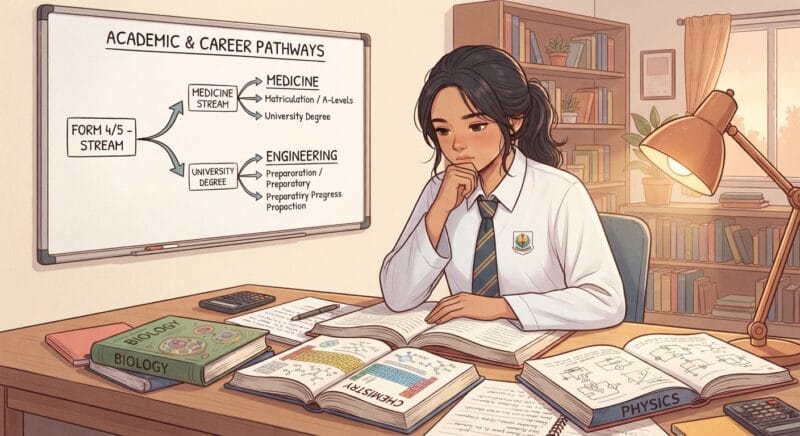
The most important factor is whether a student is likely to pursue A Level or university study directly involving Science, particularly competitive fields like Medicine or Engineering. Students who might want Separate Science A Levels later are generally safer taking Separate Sciences at IGCSE, since taking Combined or Co-ordinated Science first can leave content gaps that make the jump to a single-subject A Level harder.
Does Workload Matter in This Decision?
Yes — Separate Sciences means three full IGCSE syllabuses to study, sit exams for, and revise, compared to a lighter overall load for Combined Science. A student juggling many other demanding subjects might reasonably choose Combined or Co-ordinated Science to protect their overall workload, even if science-related study remains a future possibility.
What If a Family Is Genuinely Undecided?
Co-ordinated Science (Double Award) can work as a middle-ground option, offering broader coverage than Combined Science without the full three-subject workload of Separate Sciences. It’s not a perfect substitute for Separate Sciences if a highly competitive Science-heavy pathway is the goal, but it keeps more doors open than Combined Science alone.
Free practice tool
Built for Cambridge-track students, Aura Tycoon is a free, ad-free platform where every chapter bundles short videos, quizzes, and flashcards together with practice questions and quick games. It builds the Year 7 foundation across Biology, Chemistry and Physics individually, for free, so the groundwork is solid regardless of which path gets chosen later.
Start Practicing FreeFrequently Asked Questions About Choosing an IGCSE Science Combination
What's the safest Science combination if a student is undecided about their future?
Separate Sciences keeps the most options open, since it avoids the content gaps that can affect students moving from Combined or Co-ordinated Science into single-subject A Levels. Co-ordinated Science is a reasonable middle ground if the full three-subject workload isn't manageable.
Is Combined Science a bad choice?
No, it's a perfectly solid option for students not planning to continue Science at A Level, or who need to manage a lighter overall workload. It only becomes a limiting choice for students later wanting competitive, Science-heavy university pathways.
Can a student switch from Combined Science to Separate Sciences later?
This is possible in principle but often requires catching up on missed content, since Combined Science covers less depth than the separate subjects. Discussing this early with the school, before subject choices are finalised, avoids a difficult catch-up later.
Does Co-ordinated Science count as two full IGCSEs?
Yes, Co-ordinated Science is a double award, equivalent to two IGCSE qualifications, with two separate grades issued at the end. This distinguishes it from Combined Science, which is a single award with one grade.
How much extra work is Separate Sciences compared to Combined Science?
Separate Sciences means three full syllabuses and sets of exam papers instead of one combined set, roughly tripling the Science workload compared to Combined Science. This is a genuine time and revision commitment worth planning for.
Do Malaysian universities care which Science combination a student took?
Generally, what matters most is the final grades achieved rather than which specific combination was taken, though highly competitive Science-related courses may prefer or expect Separate Sciences. Checking specific programme requirements is the most reliable approach.
Is it too late to choose Separate Sciences if a student already started Combined Science?
It depends on how far into the course the student is — earlier is easier, since less content has diverged between the two paths. Speaking with the school as soon as possible gives the most flexibility to switch.
Should a student choose their Science combination based on interest or future career plans?
Ideally both — genuine interest tends to support stronger revision and results, while keeping an eye on future Science-related pathways avoids closing doors unnecessarily. A conversation with a school counsellor can help balance the two considerations.